Luxury Honeymoon Antarctica Options
"Luxury" carries a different meaning on an Antarctica honeymoon than it does almost anywhere else on a couple's shortlist. There is no equivalent of an overwater villa or a resort spa wing, since the entire trip takes place aboard a ship operating in a remote, tightly regulated environment. What luxury buys instead is comfort at the margins: a larger cabin with a private balcony, a more attentive ratio of staff to guests, a kitchen willing to plate a proper anniversary dinner, and a place near the front of the line when it is time to board a zodiac.
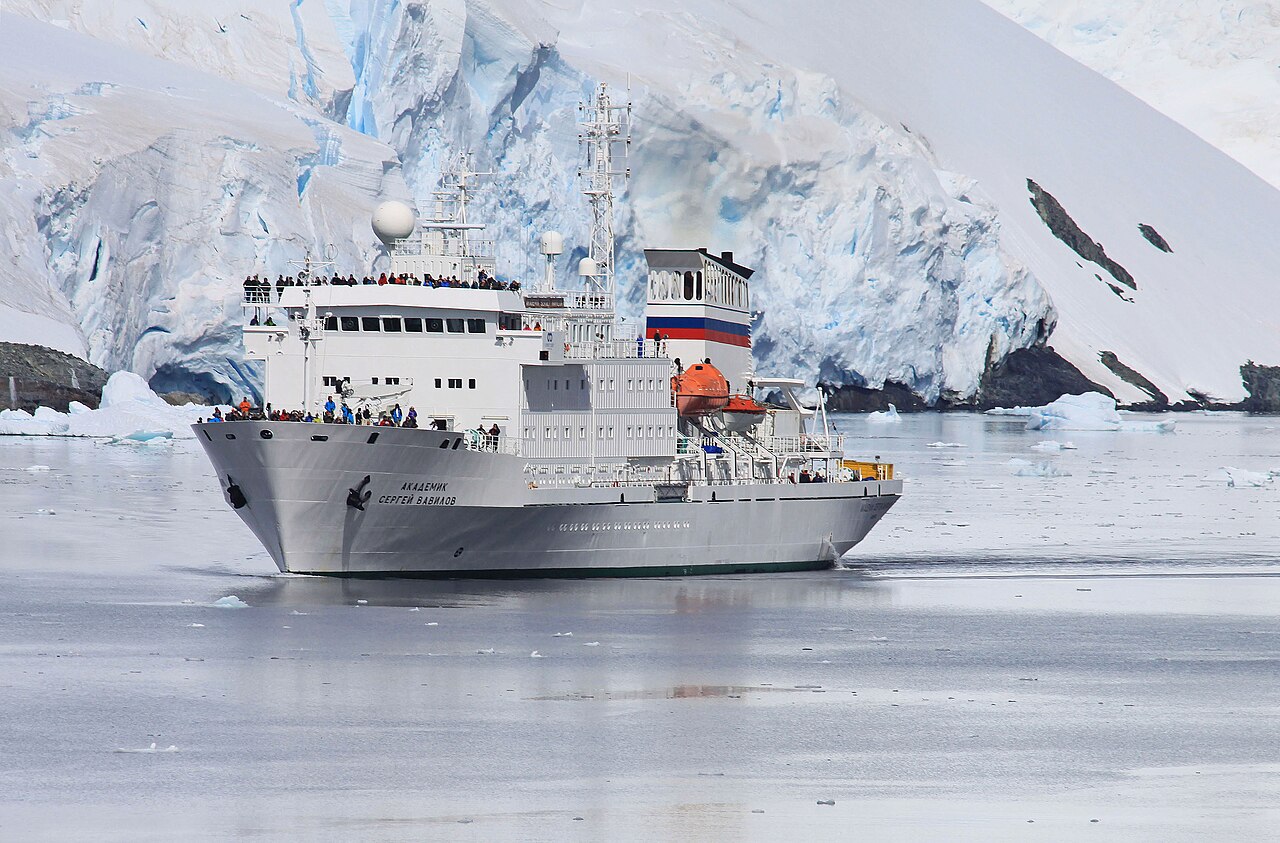
What "Luxury" Actually Means in Antarctica
A conventional luxury honeymoon is built around amenities that exist independently of the destination - infinity pools, spa menus, private beach cabanas. None of that applies south of the Drake Passage. Every ship, luxury or otherwise, is bound by the same weather windows, the same IAATO landing rules, and the same core itinerary of zodiac excursions and shore walks. The luxury tier changes the experience around those constraints rather than the constraints themselves.
Resort-Style Luxury
Private villas, spa treatments, beachfront dining, and amenities that are largely independent of location or weather.
Expedition-Style Luxury
Private balconies, suite-category cabins, dedicated service, elevated dining, and priority zodiac boarding - all still governed by ship schedule and weather.
In practice, the luxury tier on an Antarctica cruise shows up in a handful of concrete features: larger cabins with sitting areas and floor-to-ceiling windows or balconies, a higher staff-to-guest ratio that allows for more personalized service, dining rooms offering a-la-carte menus rather than a single set seating, and boarding priority that gets suite guests into the first zodiac group of each landing.
Is a Luxury Tier Worth It for a Honeymoon?
The honest tradeoff is that a luxury cabin does not buy more time on the continent. International Association of Antarctica Tour Operators (IAATO) rules cap landings at 100 passengers ashore at any one site simultaneously, and that limit applies regardless of what a couple paid for their cabin. A suite on a large ship still waits behind the same landing cap as every other passenger aboard that ship.
What does shift the equation is ship size. A smaller luxury-focused vessel, carrying well under the 100-passenger landing threshold, tends to get every guest ashore on every landing without splitting the group into shifts - a benefit of vessel size more than cabin category. Couples deciding whether to pay for the luxury tier are really choosing between two related but separate things: a smaller ship for more consistent landing access, and a higher cabin category for privacy and comfort once back aboard. The strongest case for paying the premium is a honeymoon specifically, where private space and unhurried dining carry more weight than they might on a solo expedition trip.
Comparing Luxury-Focused Operators
Marketing language around "luxury" varies considerably between operators, so couples comparing options are better served by checking specifics than by taking the label at face value:
- Suite categories and cabin size: square footage, balcony access, and window size vary widely even within a single ship's top tier
- Guide-to-guest ratio: a lower ratio generally means smaller landing groups and more individual attention ashore
- Dining flexibility: a-la-carte or multiple dining venues versus a single fixed seating
- Concierge or butler-style service: offered on some higher-end ships, typically limited to top suite categories
- Vessel passenger count: the biggest single factor in how often a couple actually gets ashore, independent of cabin tier
Luxury pricing reflects both cabin category and ship size and should be confirmed directly with operators before booking, since inclusions differ significantly between companies marketed as "luxury."