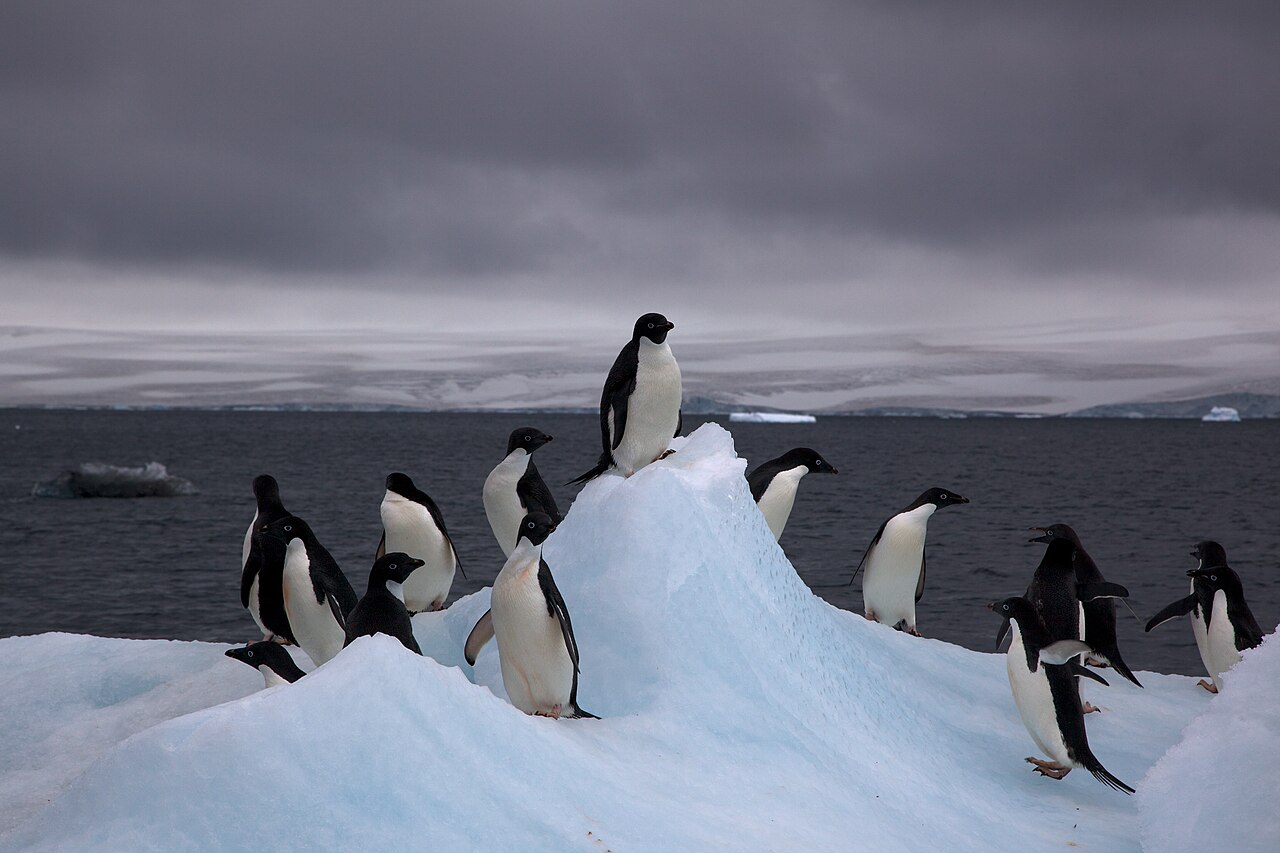
Is Antarctica Good for a Honeymoon?
Antarctica does not resemble a conventional honeymoon backdrop, and that is precisely the appeal for a specific kind of couple. There are no overwater bungalows and no guaranteed itinerary, since sea ice and weather dictate where a ship can land. This chapter looks past the scenery question - already covered in the main guide - and into the mechanics that decide whether the trip actually suits a given couple: what a day aboard looks like, what gets traded away versus a resort honeymoon, and who tends to regret the booking.
What an Antarctica Honeymoon Replaces
Every honeymoon destination is a set of tradeoffs. Antarctica's tradeoffs are unusually specific, and worth stating plainly before booking:
Fixed Comfort
Private beach or pool access, air conditioning, a set daily rhythm, and reliable connectivity for sharing the trip in real time.
Conditional Access
Landings depend on ice and weather, cabins run expedition-grade rather than resort-grade, and satellite wifi is slow and often rationed.
Neither column is better in the abstract. Couples who value certainty and daily indulgence tend to be happier at a resort; couples who value scale, wildlife, and a shared sense of having gone somewhere few others reach tend to be happier here.
A Day Aboard - What the Schedule Actually Looks Like
Expedition ships run a more structured day than the phrase "cruise" suggests. A typical day at sea near the Peninsula follows a rhythm shaped by daylight, weather briefings, and landing windows rather than a printed itinerary:
- Early wake call: announcements often begin between 6:30 and 7:30am when a landing is planned, since morning light and calmer water are used first
- Briefings: the expedition team reviews site conditions, wildlife activity, and safety protocol before each landing or zodiac cruise
- Landings and zodiac time: one or two outings per day, roughly one to three hours each, in small groups rotated through by cabin or deck
- Meals: shared dining rooms on most ships, with set or open seating depending on vessel size; couples on larger ships may need to request table pairing
- Evening recap: naturalists cover the day's wildlife sightings and preview the next landing, often over drinks
Cabin categories vary in how much private space this schedule leaves a couple. Standard twin cabins on expedition ships are compact, which suits some couples fine and surprises others; suite categories on the higher end of the cost range - covered later in the guide - add sitting areas and, on some ships, private balconies.
Who This Trip Suits
Couples who report the highest satisfaction tend to share a few traits: comfort with unpredictable plans, genuine interest in wildlife and landscape rather than passive scenery, and reasonable physical mobility for zodiac boarding and uneven terrain. Couples celebrating a milestone anniversary alongside the honeymoon, or those who have already done a conventional beach trip and want something that cannot be repeated closer to home, are frequently the best fit.
Who Should Look Elsewhere
The trip suits fewer couples than glossy photography suggests. Anyone who needs guaranteed daily plans, constant connectivity to work or family, or resort-level luxury as a baseline will likely find the compromises frustrating rather than exciting. Couples prone to seasickness should weigh the Drake Passage crossing carefully, and those with limited mobility should discuss zodiac and shore-landing requirements with the operator well before booking.
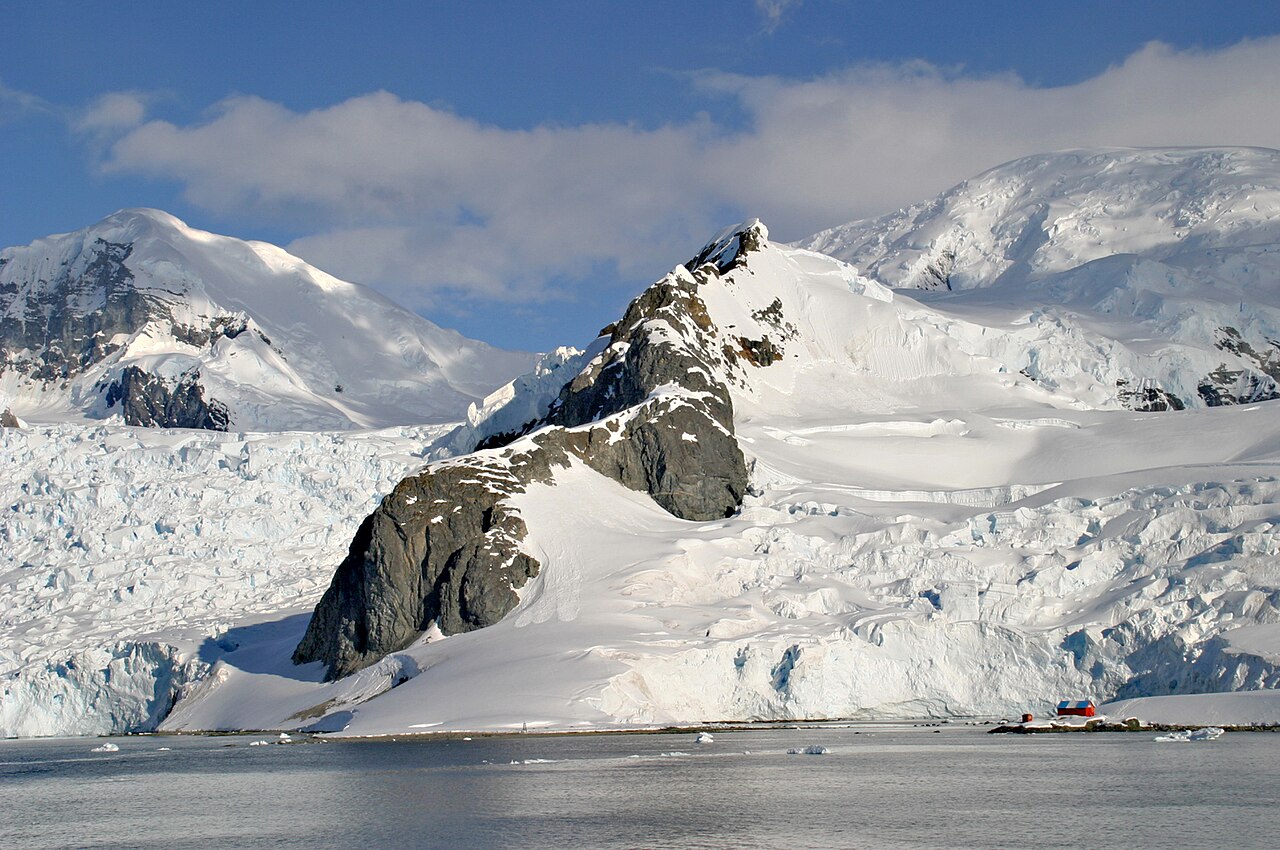
"The trip suits fewer couples than glossy photography suggests - the honest question is not whether Antarctica is beautiful, but whether a couple wants beauty on the ship's terms."